 Comparison
Mobile Mechanic vs Auto Shop: Which Costs Less?
Last Updated: November 14, 2026
Quick Summary
A mobile mechanic can cost less for jobs that don't need a lift, while a shop can cost less for jobs that do. The cost gap comes down to travel and diagnostic fees, shop overhead in the labor rate, and whether you'd otherwise pay for a tow.
- Mobile service skips building overhead like bays, lifts, front-desk staff, and waiting rooms.
- A mobile mechanic drives to the vehicle, so a tow bill often vanishes entirely.
- A job that takes three hours on a lift can take five in a driveway, erasing the labor-rate advantage.
- Ask whether the diagnostic fee comes off the repair if you approve the work.
- Add the tow bill to the shop quote and the call-out fee to the mobile quote before comparing totals.
Table of Contents
- Mobile Mechanic vs. Auto Shop Cost: The Short Answer
- Side-by-Side Comparison: Mobile Mechanic vs. Traditional Repair Shop
- The Mobile Mechanic Diagnostic Fee: What You Pay to Find the Problem
- Mobile Mechanic Call-Out Fee: Travel, Service Area, and After-Hours Charges
- Total Cost by Repair Type: Where Mobile Service Saves and Where It Doesn't
- Mobile Mechanic Reliability: Warranty, Liability, and Recourse
- How to Compare Quotes Like-for-Like Before You Commit
- Get a Written Mobile Repair Estimate From M&D Repair Services
- Frequently Asked Questions
Mobile Mechanic vs. Auto Shop Cost: The Short Answer
Is it cheaper to get a mobile mechanic? Sometimes yes, sometimes no, and the honest answer depends on the repair. In general, a mobile mechanic can cost less for jobs that don't need a lift, and a shop can cost less for jobs that do. The mobile mechanic vs. auto shop cost gap comes down to three things: travel and diagnostic fees, shop overhead baked into the labor rate, and whether you'd otherwise pay for a tow.
Where the Savings Actually Come From
Mobile service skips the building. No bays, no lifts, no front-desk staff, no waiting room.
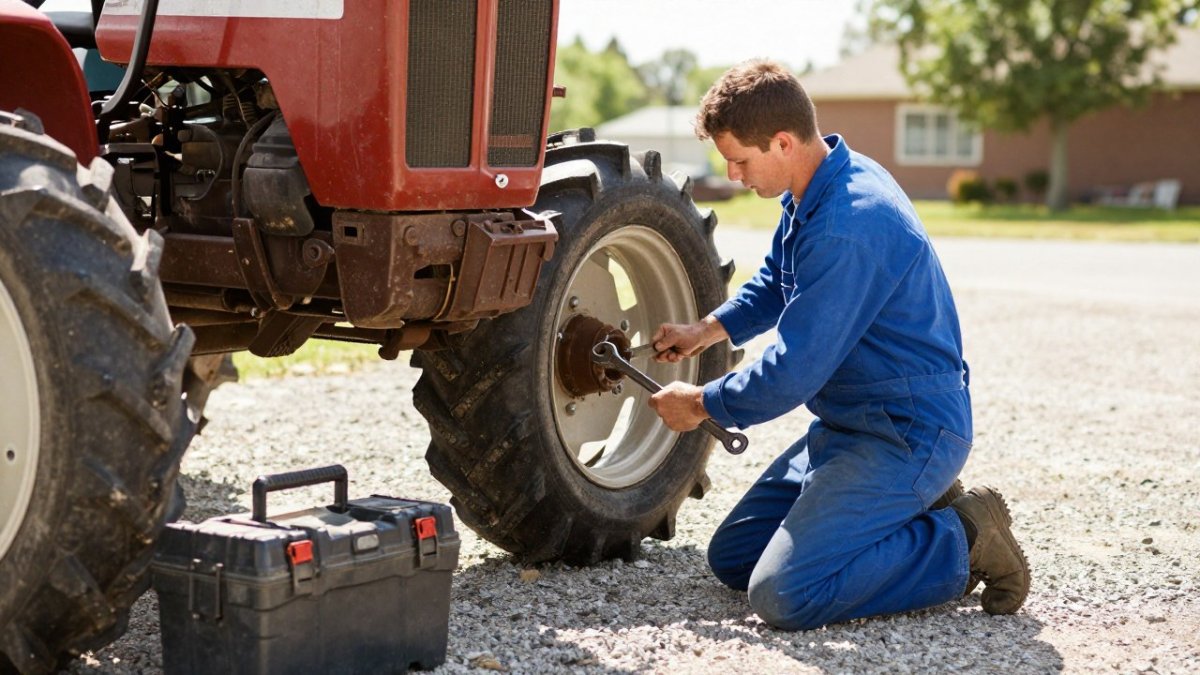
There's a second saving most people forget: the tow. If your vehicle won't start or a tractor is dead in a field, a shop visit starts with a tow bill before any repair begins. A mobile mechanic drives to the vehicle, so that cost often vanishes entirely.
When a Shop Still Wins on Price
For heavy jobs, the shop's equipment is the cheaper path. A lift, a press, and specialized diagnostic tools let a technician work faster, and speed is money.
Parts availability matters too. Shops keep common parts on the shelf; a mobile mechanic may need to source yours, and a second visit adds cost. For major engine or transmission work, the traditional repair shop is usually the better financial call.
Side-by-Side Comparison: Mobile Mechanic vs. Traditional Repair Shop
Here's the honest comparison across the factors that drive your final bill.
| Factor | Mobile Mechanic | Traditional Repair Shop |
|---|---|---|
| Labor rate | Often lower (less overhead) | Higher (building, staff, equipment) |
| Call-out or travel fee | Usually charged | None |
| Diagnostic fee | Charged per visit | Often waived if you approve the repair |
| Towing | Rarely needed | Common for non-running vehicles |
| Repair speed on complex jobs | Slower without a lift | Faster with shop equipment |
| Convenience | At-home or on-site | Drop-off and pickup required |
| Best for | Routine maintenance, diagnostics, brakes, batteries | Major engine, transmission, alignment work |
The Mobile Mechanic Diagnostic Fee: What You Pay to Find the Problem
A diagnostic fee is the charge for the visit that identifies what's wrong. Ask each provider how its diagnostic fee is handled before you book.
Ask one question before you book: "Does the diagnostic fee come off the repair if I approve the work?" A straight answer tells you a lot about how the business operates.
Mobile Mechanic Call-Out Fee: Travel, Service Area, and After-Hours Charges
A mobile mechanic call-out fee covers the drive to your location, and it's the line item that most often decides whether mobile service is cheaper. Short drive, small fee. Long drive or after-hours call, bigger fee.
Three things move that number:
- Distance. The farther the technician drives, the more the call-out costs.
- Service area. Some businesses charge a flat fee inside their area and more outside it. Check whether your address falls inside before you book. You can review our extensive service areas to confirm coverage.
- Timing. Weekends, evenings, and emergency calls usually carry a premium.
If you want the full picture of what a visit fee includes before you compare totals, read our breakdown of what a mobile mechanic call-out actually costs.
Total Cost by Repair Type: Where Mobile Service Saves and Where It Doesn't
The repair type decides the winner more than anything else. What matters is the total delivered cost: labor, parts, fees, towing, and the risk of a second visit. Below is how common jobs typically sort out.
Jobs That Suit On-Site Repair
These jobs share three traits: no lift required, parts commonly stocked or easily sourced, and work that fits in a single visit.
- Batteries and alternators. A battery swap is often a 15-to-30-minute job with hand tools; an alternator on many vehicles is accessible from the top. A mobile visit avoids the tow and drop-off.
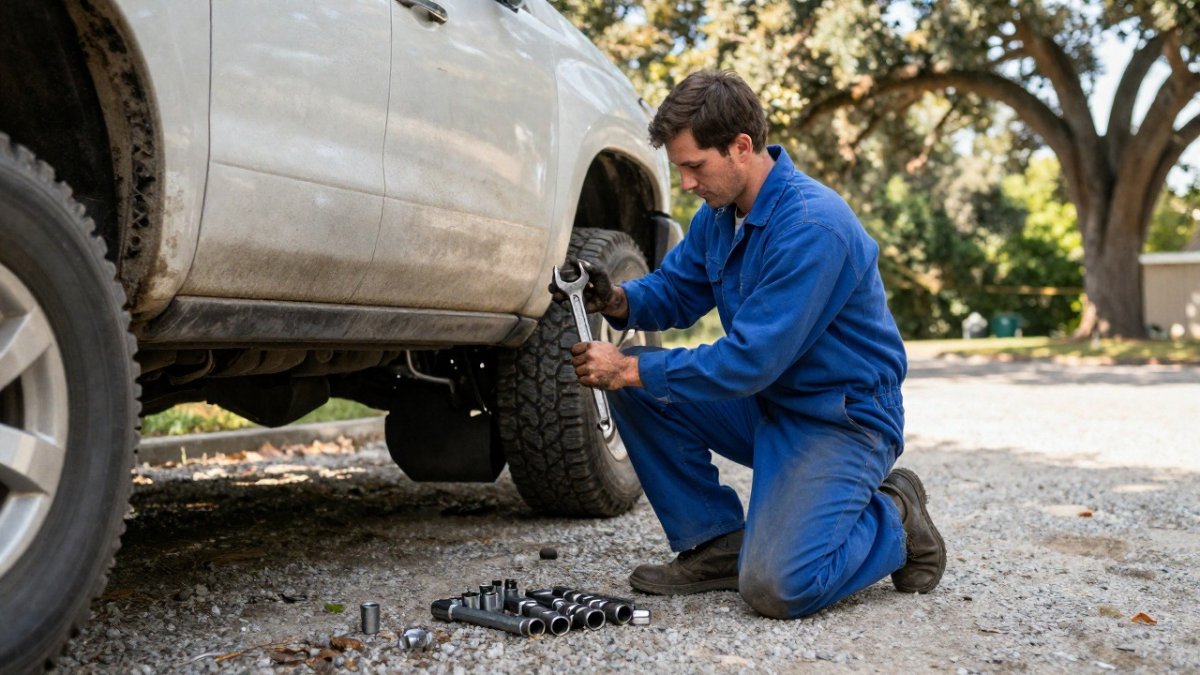
- Brake pads and rotors. Most passenger vehicles and light trucks can be done on jack stands in a driveway.
- Routine maintenance. Oil changes, filters, and fluid top-offs are quick and clean. Mobile service shines for fleets and for owners who would otherwise lose half a day to a shop visit.
For these jobs, the mobile total usually wins once you add the tow bill and the value of your time. Learn more about our services to see the full list.
Jobs That Need a Lift or Shop Equipment
These jobs need a lift, a press, an alignment rack, or a controlled environment, and the equipment lets a technician work faster.
- Transmission and clutch work. Needs a lift and heavy tooling. A driveway job on a transmission is slow, risky, and often not something a reputable mobile mechanic will take on.
- Alignment. Requires a dedicated alignment rack. There is no practical mobile substitute.
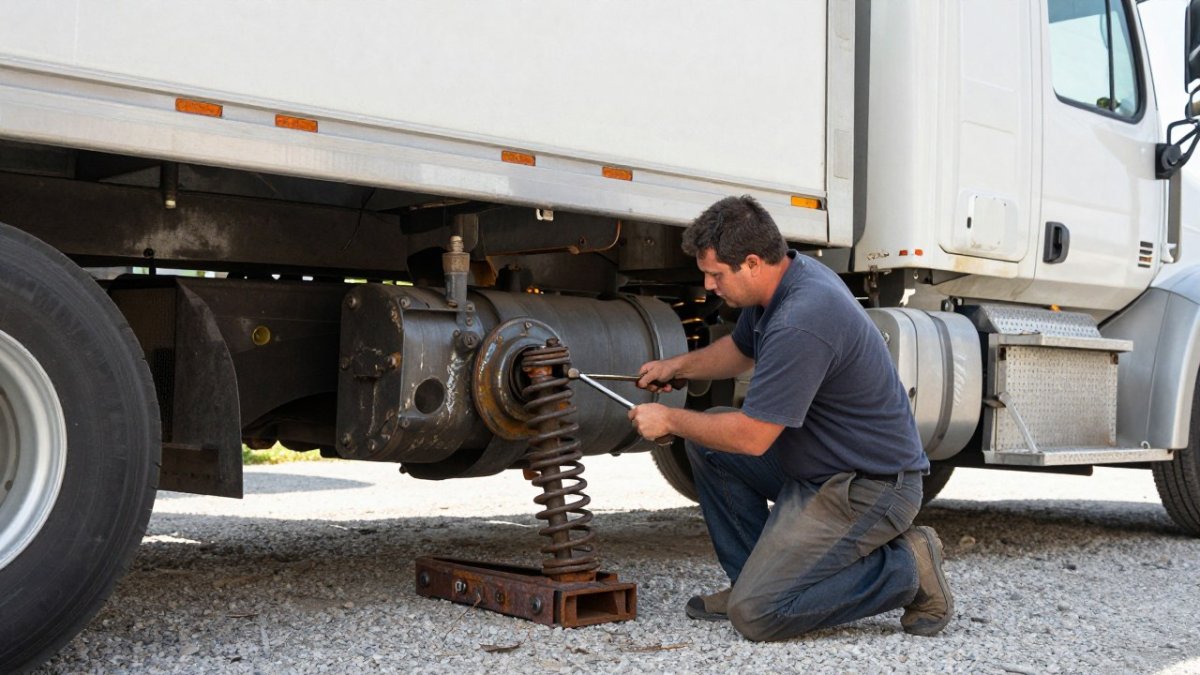
- Major engine teardown. Space, light, and equipment matter. A job that takes three hours on a lift can take five or more in a driveway.
For these, the shop's equipment pays for itself in labor hours saved. Don't force a driveway repair on a job that needs a bay.
Borderline Jobs: How to Decide
Some jobs can go either way depending on the vehicle and the access. Use these questions to sort them:
- Does the job require lifting the vehicle more than a jack and stands allow? If yes, the shop wins.
- Is the part commonly stocked, or will it need to be ordered? A second visit adds a call-out fee and your time. Ask whether the part is on the truck or available locally the same day.
- Is there a diagnostic step that could change the repair? A shop with the vehicle already on a lift can pivot faster than a mobile technician who has to schedule a return trip.
Watch out: a mobile quote that looks lower on labor can flip once a second visit for a sourced part adds another call-out fee, confirm parts availability before you book.
What the Totals Actually Include
When you compare a mobile total to a shop total, build each side from the same line items:
- Labor: hourly rate times book time, or a flat job price.
- Parts: quoted by brand and part number, not just "parts."
- Fees: diagnostic fee, call-out or travel fee, after-hours premium.
Add the tow bill to the shop quote. Add the call-out fee to the mobile quote. Compare the two totals, not the labor rates, that's the method we use when we price-match a written estimate.
Mobile Mechanic Reliability: Warranty, Liability, and Recourse
Mobile mechanic reliability comes down to paperwork: a written estimate, a stated warranty, and a clear process for when a repair doesn't fix the problem.
Ask three questions before anyone touches your vehicle:
- Is the estimate written? A verbal number isn't a quote.
- What does the warranty cover, and for how long? Get it in writing.
- What happens if the repair fails? A fair policy exists; a vague one doesn't.
We back our work with a warranty on repairs and price matching against a written estimate, so you're comparing real numbers, not promises. If trust and recourse are your main concern, see why customers choose us before you commit.
How to Compare Quotes Like-for-Like Before You Commit
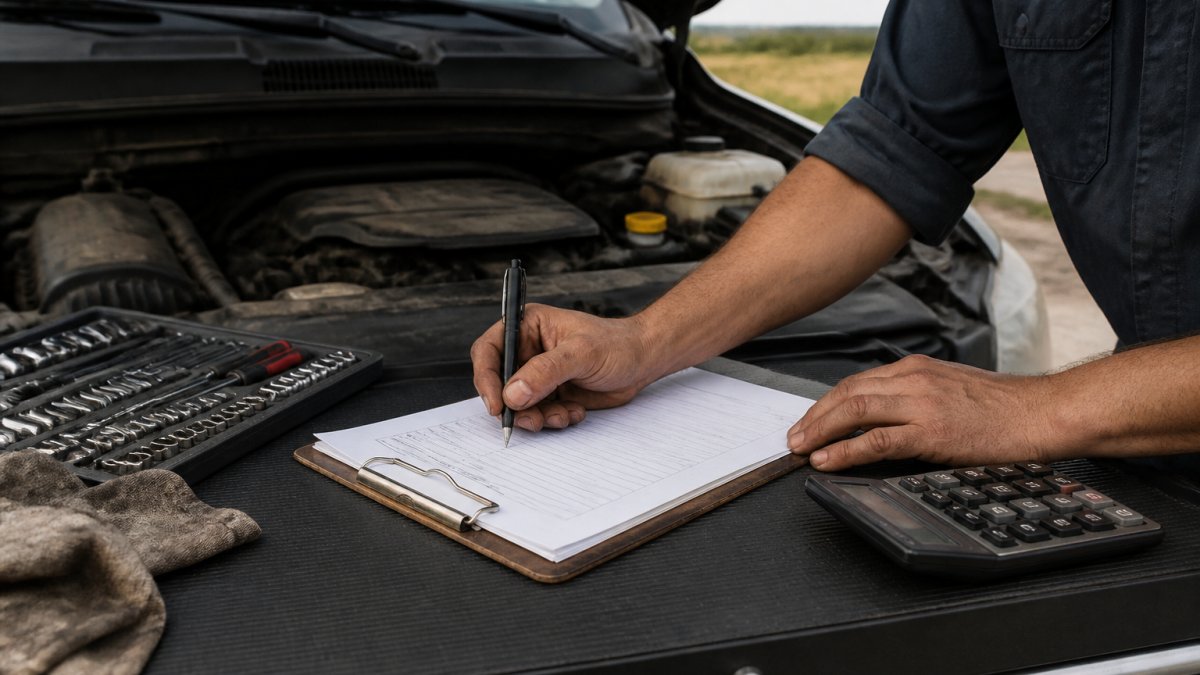
Most "mobile is cheaper" claims fall apart because people compare the wrong numbers. A mobile quote with a call-out fee against a shop quote without one isn't a comparison. Normalize both quotes to the same scope, line items, and recourse before you decide.
Step 1: Normalize the Scope
Make sure both quotes cover the same work on the same vehicle. A quote for "brakes" can mean pads only, pads and rotors, or pads, rotors, and a fluid flush. Ask each provider to list the operations by name and state whether the price includes parts, labor, and taxes.
Step 2: Build the Same Line Items on Both Sides
Use this checklist before you decide:
- Does each quote include the diagnostic fee, or is it separate?
- Is the call-out or travel fee listed as its own line?
- Are parts quoted by brand and part number, or just "parts"?
Add the tow bill to the shop quote. Add the call-out fee to the mobile quote. Compare the two totals, not the labor rates.
Step 3: Weigh Warranty and Recourse, Not Just Price
A lower headline rate is only a saving if the recourse behind it is comparable. Ask both providers the same three questions:
- What does the warranty cover, and for how long? A parts-and-labor warranty is worth more than a parts-only warranty, because labor is often the larger share of the bill on a repeat repair.
- Who honors the warranty if the repair fails? Either a solo mobile mechanic or a shop can be fine, what matters is that the policy is in writing.
- What is the remedy if the repair doesn't fix the problem? A fair policy exists; a vague one doesn't. Get the answer before anyone touches the vehicle.
A lower quote with weaker warranty terms may be the more expensive choice if the repair fails. Price and recourse travel together.
Step 4: Account for Your Time and Downtime
Time is a real cost, even though it doesn't appear on the invoice. A shop visit usually means drop-off, a wait, and pickup, often half a day or more. For a fleet, a working machine, or a single parent with no spare vehicle, that time can outweigh a small price difference.
Step 5: Get It in Writing Before You Book
A verbal number isn't a quote. Ask for the estimate in writing, email or text is fine, and confirm that the price holds if the job takes longer than expected.
Watch out: a quote that excludes taxes and shop supplies can cost more at the counter than the number you compared, ask for the out-the-door total before you approve the work.
Get a Written Mobile Repair Estimate From M&D Repair Services
The cheapest option is the one with no surprises on the final bill.
We bring mobile repair to your driveway, your farm, or your job site for automobiles, trucks, diesel vehicles, farm and construction equipment, and powersports.
Stop guessing whether mobile service saves you money. Request a written estimate from M&D Repair Services and compare the numbers.
Frequently Asked Questions
Are mobile mechanics cheaper than repair shops?
Sometimes, but not always. A mobile mechanic avoids shop overhead like rent and vehicle lifts, and you skip the tow bill if the vehicle won't start. That can make routine maintenance and straightforward repairs cost less. Complex jobs needing a lift or specialized shop equipment can cost more on-site because the work takes longer without a bay. Compare written estimates for the same repair, including all fees, before deciding.
How much do mobile mechanics charge for diagnostics?
A mobile mechanic diagnostic fee varies by provider, vehicle type, and how deep the diagnosis needs to go. It typically covers travel to your location plus the time spent testing and reading fault codes. Ask upfront whether the diagnostic fee is credited toward the repair if you approve the work. Get the fee confirmed in writing before the mechanic arrives so there are no surprises on the final bill.
Do mobile mechanics charge a call-out or travel fee?
Many do. A mobile mechanic call-out fee covers fuel and travel time to your location, and it may rise for longer distances, remote service areas, or after-hours and emergency calls. Some providers fold travel into the labor rate instead of listing it separately. Ask whether the call-out fee is flat or distance-based, and confirm whether it applies even if you decline the repair after the diagnosis.
Are mobile mechanics reliable for bigger repairs?
Reliability depends on the provider, not the service model. Look for a written warranty on repairs, a written estimate before work starts, and references from other customers. Ask what happens if the repair fails, who covers parts, and how you can reach them afterward. A provider that answers these questions clearly and puts terms in writing is a safer bet than one that only quotes a low price.
When is it better to take a car to a repair shop?
Choose a shop when the job needs a vehicle lift, alignment equipment, or major disassembly, such as transmission work, frame repairs, or complex electrical faults. Shops also make sense when the vehicle is already drivable and the repair is scheduled, since you can drop it off and compare multiple quotes. For routine maintenance, brakes, batteries, and no-start diagnostics at home, mobile service often saves time and a tow.