 Comparison
Mobile Mechanic vs Roadside Assistance: Which Is Faster
Last Updated: November 15, 2026
Quick Summary
Roadside assistance wait times vary by service area, and quoted windows are estimates rather than guarantees. The biggest factor is how far the nearest dispatched truck must travel and how many calls are queued ahead of yours, so rural locations, peak demand, and bad weather all push arrival times longer.
- Ask the dispatcher where the truck is now, how many stops are ahead, and whether the window includes hookup time.
- Basic plans often cover 5 to 15 miles of towing, with overage billed per mile.
- A truck 10 minutes away in clear weather can become a 40-minute wait in ice or heavy rain.
- While waiting, turn on hazard lights and wait behind the barrier rather than in the car on a highway shoulder.
- Call a mobile mechanic instead of a tow when the vehicle starts but runs badly, leaks, overheats, or throws a warning light.
Table of Contents
- Roadside Assistance Wait Time: What Drives the Clock
- How Long Does a Tow Truck Take to Arrive
- Mobile Mechanic vs Roadside Assistance: Different Jobs, Different Speeds
- Roadside Assistance Plans Compared: Cost, Towing Distance, and What's Missing
- What to Do While Waiting for Roadside Assistance
- Warranty, Liability, and Who Pays If the Repair Fails
- When to Skip the Wait and Call a Mobile Mechanic
- Frequently Asked Questions
Roadside Assistance Wait Time: What Drives the Clock
Roadside assistance wait times vary by service area, and rural callers and peak-demand periods can mean longer waits. The single biggest factor is not the size of your plan. It is how far the nearest dispatched truck has to travel and how many calls are already queued ahead of yours.
Drivers and equipment owners often want a realistic arrival window before they commit to a service. Below, we break down what actually moves the clock, how mobile mechanics compare to traditional roadside plans, and when skipping the tow entirely saves you both time and money.
Provider Type and Dispatch Volume
A national motor club, an insurer-backed plan, and an independent mobile mechanic all dispatch differently. Motor clubs route through a network of contracted tow operators, so your wait depends on which local company accepts the job and how busy they are. Dispatch volume matters most on cold mornings, holiday weekends, and during storms, when every provider in an area is stretched thin.
Location, Weather, and Time of Day
Distance and conditions set the floor on any arrival estimate. A truck 10 minutes away in clear weather becomes a 40-minute wait in ice or heavy rain. If you want to confirm whether your location falls inside a service area before you call, you can check our extensive service areas to see how close a mechanic would be.
How Long Does a Tow Truck Take to Arrive
Arrival times depend on the provider, location, and call volume, and quoted windows are estimates rather than guarantees. Towing providers quote ranges, not guarantees, because traffic and call volume change by the hour. Ask the dispatcher three questions: where the truck is now, how many stops are ahead of you, and whether the quoted window includes hookup time.
Towing Distance Limits and Extra Mileage Fees
Most plans cap the tow distance they cover, and the overage is billed per mile. According to Good Sam's towing distance guide, basic plans often cover 5 to 15 miles while mid-tier plans extend up to 100 miles, with additional distance running a few dollars per mile. That cap is where "free towing" plans quietly stop being free. If your shop is 30 miles out and your plan covers 10, you pay for the other 20.
Mobile Mechanic vs Roadside Assistance: Different Jobs, Different Speeds
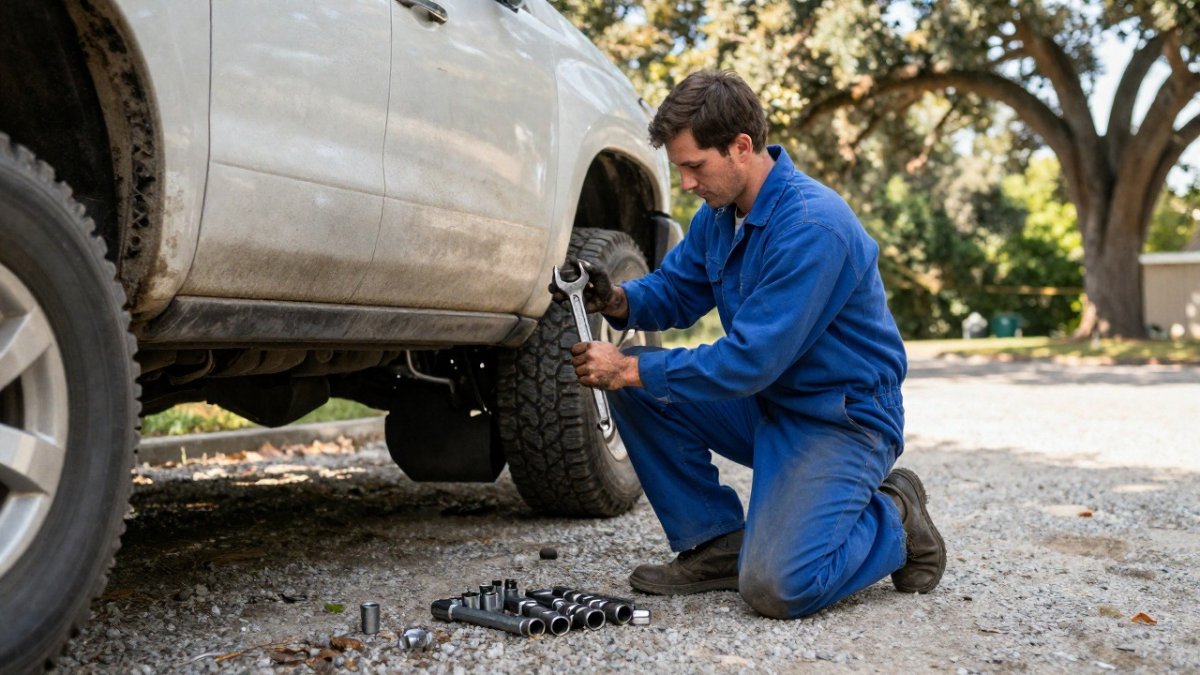
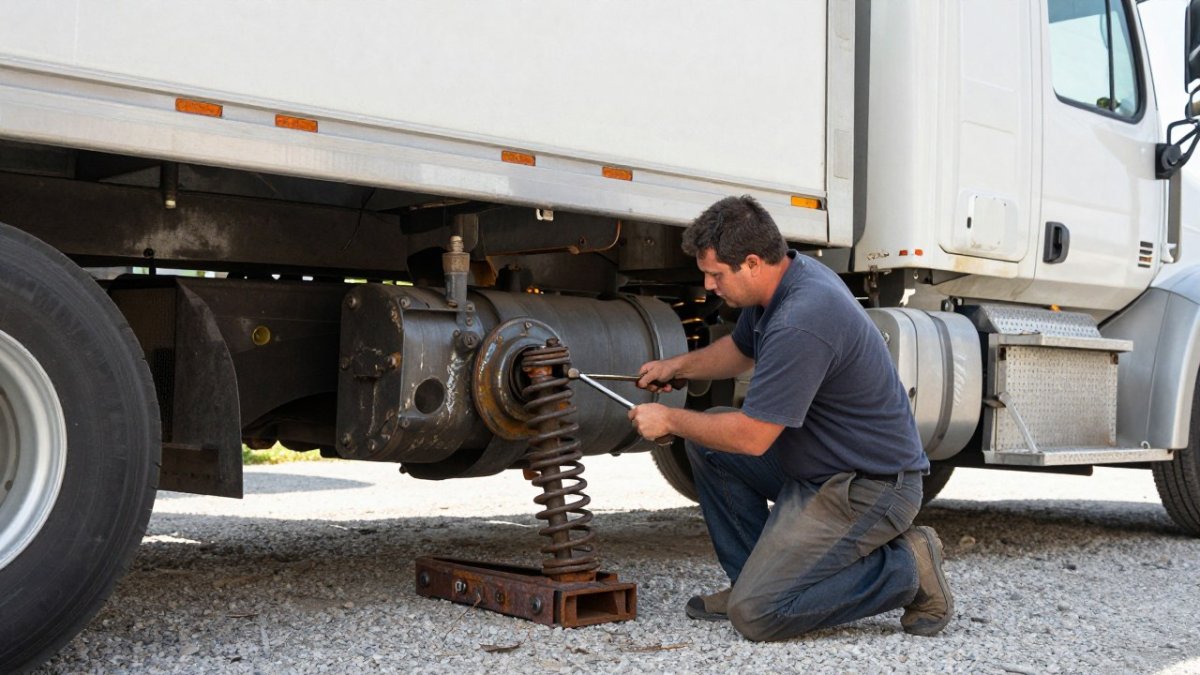
These are not competing versions of the same service. Roadside assistance is built to move a disabled vehicle: jump-starts, lockouts, fuel delivery, tire changes, and towing. A mobile mechanic is built to fix the vehicle where it sits, with tools and diagnostic equipment brought to you.
That distinction changes the clock. A tow truck may arrive faster, but it only relocates the problem to a shop queue. If you want to see how those numbers stack up, our breakdown of what a mobile mechanic call-out actually costs walks through the line items.
Roadside Assistance Plans Compared: Cost, Towing Distance, and What's Missing
Plan pricing varies widely, and the cheapest option is rarely the one that covers what breaks. The table below compares the common plan types on the factors that decide your final bill, but the headline price is only the starting point. The number that matters is the total you pay once a tow, an overage charge, and a repair are added together.
| Plan Type | Reported Cost | Towing Distance | Key Limitation |
|---|---|---|---|
| Insurer add-on (e.g., State Farm) | $14 per car per year, per one comparison | Varies by policy | No repairs, tow only |
| Standalone club (e.g., Better World Club) | From $66 per year, per one 2026 comparison | Varies by tier | Response times not published |
| Motor club membership (e.g., AAA) | Not published in supplied sources | Tier-based | Long-distance towing may require a waiting period |
| RV/travel plan (e.g., Good Sam) | Not published in supplied sources | 5 to 100 miles by tier | Overage billed per mile |
| Mobile mechanic (M&D Repair Services) | Free estimates, quoted before work | Not applicable | Repair scope limited to what can be done on site |
Turning the Headline Price into a Total Cost
A low annual add-on can look like the obvious buy until you read the fine print. Most low-cost plans cover a short tow, a jump-start, a lockout, or a fuel delivery, and they bill the overage per mile once you pass the cap.
The comparison that matters is like-for-like. When you line up two options, compare them on the same lines: the service call or dispatch fee, the diagnostic charge, the labor rate, the parts markup, and the warranty. A plan with a low annual premium and a high per-mile overage can cost more than expected once it is used.
What Each Plan Type Is Actually Good For
- Insurer add-on: best for a driver who wants a low annual safety net and already has a preferred shop within the covered tow distance. It moves the vehicle; it does not fix it.
- Standalone club: a middle tier that often bundles towing with travel discounts. Response times are frequently unpublished, so ask the dispatcher for a realistic window before you rely on it.
- Motor club membership: the broadest network, but long-distance towing may require a waiting period after you join, which matters if you are shopping because something already broke.
- RV/travel plan: built for heavy vehicles and long distances, with tiered mileage caps. The overage is billed per mile, so confirm the cap against the distance to your shop.
- Mobile mechanic: not a tow plan at all. It is a repair option that removes the tow and the shop queue, provided the job can be done safely on site.
Best for: drivers who want a low annual safety net for emergencies. Skip if: you already know the vehicle needs a repair, not a tow.
Watch out: a plan that advertises "free towing" usually means free up to a mileage cap, and the per-mile overage plus a shop diagnostic fee can exceed the annual premium in a single incident. Ask for the cap and the overage rate in writing before you enroll.
What to Do While Waiting for Roadside Assistance
Use the wait to make yourself visible and safe. Turn on hazard lights, set out a warning triangle if you carry one, and stay off the traffic side of the vehicle. On a highway shoulder, wait behind the barrier rather than in the car.
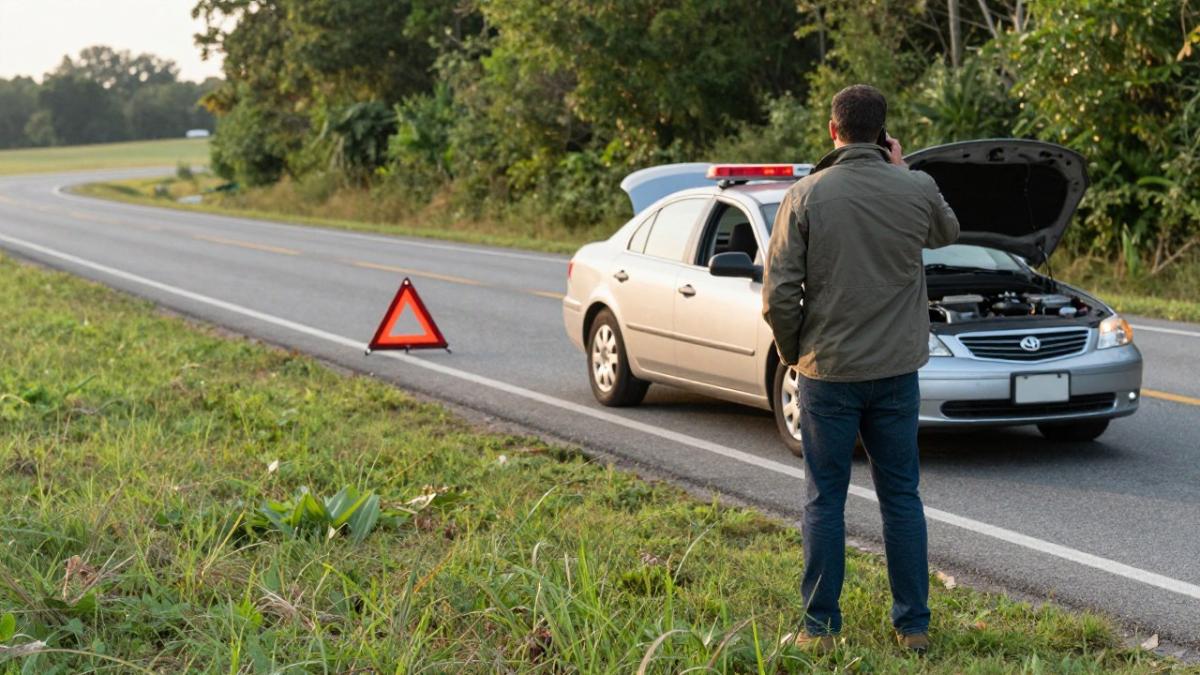
Two more things worth doing: photograph the scene for your insurer, and ask the dispatcher for a callback if the window slips. A dispatcher who cannot give you a new estimate is a dispatcher you should call again.
Warranty, Liability, and Who Pays If the Repair Fails
This is the question most comparison guides skip, and it is the one that matters after the bill arrives. Roadside plans generally cover the service call, not the repair, and they carry no responsibility for whether the vehicle is actually fixed. A repair performed by a mobile mechanic should come with a written warranty on the work, plus a clear statement of what happens if the same problem returns. Ask for that in writing before anyone touches the vehicle. Our repair and service guarantees explain how we handle a repair that does not hold.
Parts Warranty vs. Labor Warranty
A repair estimate usually carries two warranties, and they are not the same thing. The parts warranty comes from the parts supplier or manufacturer and covers the component itself if it fails. The labor warranty comes from the mechanic and covers the work of installing it. A common pattern is a labor warranty measured in months and a parts warranty measured in months or miles, but the terms vary by shop and by part. When you compare a mobile quote against a shop quote, compare both warranties line by line.
What to Verify Before You Book
Ask four questions and get the answers in writing:
- What is the labor warranty period, and does it cover a comeback for the same symptom?
- What is the parts warranty, and who honors it, the mechanic or the supplier?
- Is the mechanic insured, and does the policy cover damage to the vehicle or property while on site?
- If the repair fails, what is the remedy, redo, refund, or credit, and what is the process for filing a claim?
A mobile mechanic who cannot answer those four questions is a risk, regardless of the quoted price. The same is true of a shop.
Recourse If a Repair Fails
Recourse depends on the paperwork. If the estimate and invoice state the warranty terms, you have a documented claim. If they do not, you are relying on the mechanic's goodwill. Keep the estimate, the invoice, and any text or email that describes the warranty.
Watch out: a verbal promise that "we stand behind our work" is not a warranty. If the terms are not on the estimate or invoice, assume they do not exist.
When to Skip the Wait and Call a Mobile Mechanic
Call a mobile mechanic instead of a tow when the vehicle starts but runs badly, leaks, overheats, or throws a warning light, and when it is parked somewhere a service truck can safely reach. You can review our full range of repair services to see what we handle on site.
If a breakdown has you pricing tow bills and waiting on hold, the faster path is often a repair done where the vehicle sits. M&D Repair Services brings free estimates, price matching against any written quote, and a warranty on every repair directly to you, with 10% discounts for new customers, returning customers, and military members.
Frequently Asked Questions
How long does roadside assistance usually take to arrive?
Roadside assistance arrival times depend on provider type, location, and call volume, and no arrival time is guaranteed. Provider type matters: insurer and membership plans route calls through dispatch networks, so wait time depends on how many trucks are active nearby. Rural locations, bad weather, and peak commuting hours push arrival past the one-hour mark. When you call, ask for a dispatch window and a callback number for the driver, then plan around the upper end of that window.
Is a mobile mechanic faster than roadside assistance?
It depends on the job. Roadside assistance is built for towing, jump-starts, lockouts, and flat tires, and it usually gets someone to you quickly because those tasks need no diagnosis. A mobile mechanic arrives with tools and parts to diagnose and repair on site, which takes longer per visit but can eliminate the tow entirely. For a dead battery or a no-start you suspect is a starter or fuel issue, a mobile mechanic often gets you driving sooner than a tow to a shop plus a repair queue.
Does roadside assistance take longer at night?
Often, yes. Fewer drivers are on shift overnight, so dispatch networks have less coverage and longer routing times. Weather compounds it: rain, ice, and fog slow every truck on the road. If you break down after dark, tell the dispatcher exactly where you are, including mile markers or exit numbers, and stay in a locked vehicle with hazard lights on. Ask whether the driver can call you directly so you are not waiting blind.
What should I do while waiting for roadside assistance?
Get to a safe position first: pull as far off the travel lane as possible, turn on hazard lights, and set out a warning triangle if you have one. Stay in the vehicle with seatbelts on if traffic is close, or stand well behind the barrier if it is safe to exit. Note your exact location, keep your phone charged, and call the dispatcher back if the window passes without an update. Avoid standing behind or beside the vehicle where passing traffic cannot see you.